In-Home Health Assessments for Seniors: Connecting Medical, Mobility, and Oral Care at Home
For many seniors, staying healthy at home is not just about taking medication or attending doctor appointments. It is also about safety, mobility, daily routines, nutrition, and oral health. When these areas are not checked regularly, small issues can turn into falls, infections, dental pain, poor eating, or hospital visits.
An in-home health assessment helps seniors and people with mobility issues understand what support they need to live safely and comfortably at home. These assessments may be completed by nurse practitioners, nurses, occupational therapists, or other healthcare professionals, depending on the person’s needs.
For families, this type of assessment can be a practical first step. It gives everyone a clearer picture of the senior’s health, home safety, mobility, daily living needs, and preventive care priorities – including oral health. At Doorstep Dental we provide comprehensive In-Home health assessments for seniors. Contact us now for more information.
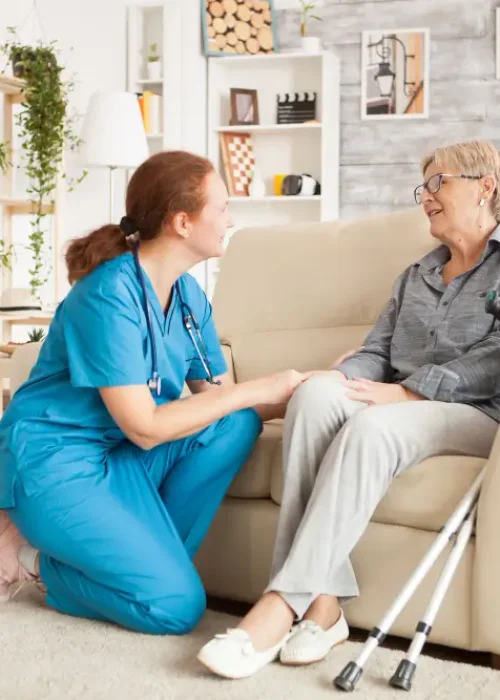
Table of Contents
What Is an In-Home Health Assessment?
An in-home health assessment is a detailed review of a person’s health, home environment, and ability to manage daily activities. It may include checking medical history, medication use, fall risks, mobility, nutrition, memory concerns, and personal care needs.
For seniors, this type of assessment is especially useful because health problems rarely happen in isolation. A person may have arthritis, diabetes, poor balance, dry mouth from medications, and difficulty brushing their teeth, all at the same time.
A good assessment looks at the whole person, not just one symptom.
Why Nurse Practitioner-Led Assessments Matter?
A nurse practitioner can play an important role in senior health because they are trained to assess medical concerns, review symptoms, identify risks, and guide care planning. For home-bound seniors or people with mobility challenges, having a medical assessment at home can reduce stress and improve access.
A nurse practitioner-led in-home assessment may help identify unmanaged pain, medication side effects, fall risks, memory or cognitive changes, nutrition concerns, blood pressure or chronic disease issues, signs of infection, mobility limitations, and the need for referrals or additional home support.
Why Aging in Place Is Becoming More Important?
Most seniors want to remain in their own homes as they age. This is often called “aging in place.” Instead of moving into long-term care immediately, many older adults prefer to stay in familiar surroundings where they feel independent, connected, and comfortable.
However, aging in place only works when health needs are managed properly.
An in-home assessment helps families understand whether the home environment is still safe and whether additional support services may be needed. This can include mobility assistance, medication review, nutrition support, personal care, and oral hygiene services.
For many seniors, early assessment prevents avoidable hospital visits and helps maintain independence longer.
How Mobility Issues Affect Overall Health?
Mobility challenges impact much more than movement. When seniors struggle to walk safely, leave the home, or attend appointments regularly, other areas of health often decline too. This may include missed medical appointments, delayed dental care, reduced physical activity, poor nutrition, social isolation, increased fall risk, and depression or anxiety. Even small mobility limitations can slowly affect quality of life. That is why home-based care models are becoming increasingly important across Ontario.
Why Oral Health Should Never Be Separated from Overall Health?
Many people still think oral health is separate from general health, but the body does not work that way. The mouth is connected to nutrition, immune function, speech, confidence, and infection control. Poor oral hygiene may contribute to gum inflammation, difficulty eating, weight loss, increased bacteria in the body, and worsening chronic conditions.
For seniors with diabetes, heart disease, dementia, or respiratory conditions, preventive oral care becomes even more important. Professional dental hygiene visits help reduce plaque, tartar, and gum inflammation before these issues become severe.
What a Comprehensive In-Home Assessment Should Look At?
A strong in-home assessment should cover more than one area of health. For seniors and people with mobility issues, the most useful assessments include home safety and fall risk, mobility and daily living, medication and dry mouth concerns, nutrition and eating ability, and oral hygiene and dental access. Falls are a major concern for older adults. An assessment may look at rugs, stairs, lighting, bathroom safety, clutter, and the need for grab bars or mobility aids. The assessment may also review whether the person can safely walk, transfer, bathe, dress, cook, and manage daily routines. Medication side effects such as dry mouth can increase the risk of cavities and gum disease. This is where medical and oral care overlap. A full assessment should also consider whether dental pain, missing teeth, dentures, or gum problems are making eating harder.
Common Problems In-Home Assessments Can Catch Early?
One of the biggest benefits of an in-home assessment is early detection. Healthcare professionals may identify concerns families did not realize were connected.
Examples include dizziness caused by medication, dehydration from difficulty swallowing, dry mouth linked to prescriptions, fall hazards in hallways or bathrooms, untreated oral pain affecting eating habits, memory changes affecting medication routines, and denture problems causing poor nutrition.
Catching these problems early allows seniors to receive support before their health declines further.
The Importance of Preventive Care for Seniors?
Preventive care focuses on identifying risks before emergencies happen. This is especially important for older adults because recovery becomes harder with age.
Preventive support may include routine medical reviews, blood pressure monitoring, mobility assessments, medication management, oral hygiene maintenance, fall prevention planning, and nutrition support.
When care is proactive instead of reactive, seniors often maintain better independence and quality of life.
Supporting Family Caregivers Through Home-Based Care?
Family caregivers often manage multiple responsibilities at once. Many helps with transportation, medication reminders, meal preparation, personal hygiene, and appointment coordination. Over time, caregiver burnout becomes common.
Home-based assessments and mobile healthcare services reduce stress by bringing professional support directly into the home. Families receive clearer guidance, practical recommendations, and reassurance about what steps to take next.
This creates a more manageable and coordinated care experience.
How In-Home Dental Hygiene Supports the Care Plan?
DoorStep Dental supports seniors and mobility-limited clients by bringing professional dental hygiene services directly to the home. This can complement broader in-home health assessments by addressing the oral health side of aging in place.
Mobile dental hygiene can help with professional teeth cleaning, plaque and tartar removal, gum health support, denture and oral tissue checks, fluoride treatments, dry mouth guidance, caregiver education, and oral hygiene routines between visits.
For seniors who cannot easily travel, this makes preventive care more realistic. It also reduces the burden on family caregivers.
A Team-Based Approach Creates Better Outcomes:
The best senior care plans involve collaboration. When nurse practitioners, caregivers, occupational therapists, dental hygienists, and family members work together, seniors receive more complete support.
For example, a nurse practitioner may identify medication-related dry mouth, a dental hygienist may help reduce cavity risk, and an occupational therapist may recommend adaptive tools for brushing.
This coordinated approach supports safer, healthier aging at home.
Why This Matters for People With Mobility Issues?
People with mobility limitations often face one major barrier: access. They may need care, but getting to care is hard.
This includes seniors who use walkers or wheelchairs, people recovering from surgery, individuals with chronic illness, and clients with neurological conditions. For them, mobile services can prevent delayed care.
A comprehensive in-home assessment helps identify the right supports early, before small health problems become emergencies.
Frequently Asked Questions FAQs:
What is the purpose of an in-home health assessment for seniors?
An in-home health assessment helps identify medical, mobility, safety, daily living, and support needs so seniors can live more safely and independently at home.
Can oral health be part of a senior care plan?
Yes. Oral health affects nutrition, comfort, infection risk, speech, and quality of life. It should be considered alongside medical and mobility needs.
Who can benefit from an in-home assessment?
Seniors, people with mobility issues, post-surgery patients, people with chronic illness, and families caring for home-bound loved ones can benefit.
How does mobile dental hygiene fit into aging in place?
Mobile dental hygiene helps seniors receive preventive oral care without travelling to a clinic, making it easier to maintain regular cleanings and gum health.
If your loved one is aging at home or struggling with mobility, oral health should be part of the care plan. Door Step Dental provides gentle in-home dental hygiene services that support comfort, prevention, and better daily living.
Book a mobile dental hygiene visit today and help your loved one stay healthier at home.
Copyright ©2024 All Rights Reserved 2024 DoorStep Dental | Designed By Web Pro Mania
Copyright ©2024 All Rights Reserved 2024 DoorStep Dental | Designed By Web Pro Mania